
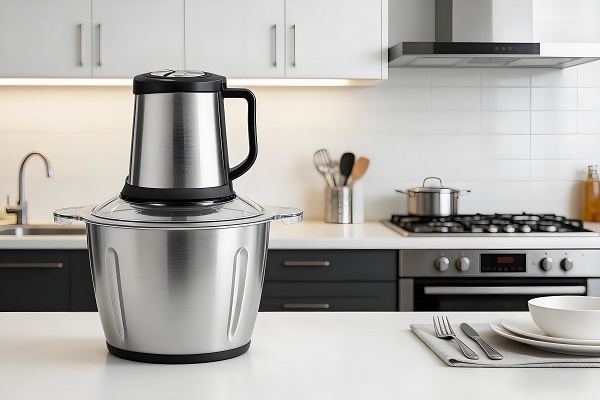
How to Clean a Meat Grinder: A Step-by-Step Guide for Safety & Longevity
Learn how to properly clean a meat grinder with our step-by-step guide. Ensure food safety, prevent cross-contamination, and extend your appliance’s life with these essential cleaning tips.
Introduction: Why Proper Cleaning is Non-Negotiable
A meat grinder is one of the most valuable tools for achieving freshness and quality in your kitchen. However, its intricate parts and contact with raw meat make thorough cleaning absolutely essential. Proper cleaning prevents dangerous bacterial growth like E. coli and Salmonella, eliminates cross-contamination, and ensures your grinder operates smoothly for years.
This comprehensive guide will walk you through the safe, effective process of cleaning both manual and electric meat grinders, turning a seemingly daunting task into a simple, routine practice.
Safety First: Pre-Cleaning Preparation
-
Unplug Immediately: If using an electric grinder, always unplug it before any cleaning begins. Never immerse the motor unit in water.
-
Work Promptly: Clean your grinder as soon as possible after use. Dried meat and fat are much harder to remove and allow bacteria to flourish.
-
Gather Supplies: Have these items ready:
-
Warm, soapy water (use a mild dish soap)
-
A stiff-bristled brush (often included with the grinder)
-
A small brush (like a toothbrush) for detailed parts
-
Dry towels or paper towels
-
A bowl of clean water for rinsing
-
A drying rack or mat
-
Step-by-Step Cleaning Instructions
Step 1: Disassemble the Grinder Completely
Carefully take apart every component according to your manufacturer’s manual. Typical parts include:
-
Hopper (feed tube)
-
Pusher
-
Screw Auger (the spiral shaft)
-
Grinding Blade (aka knife or cutter)
-
Grinding Plate(s) (die)
-
Ring or Nut that holds everything together
-
Housing/Head
Step 2: The Initial “Dry Grind” Hack
Before washing, run a piece of soft bread or a handful of torn bread through the reassembled grinder. This helps push out residual meat and fat, making the deep clean easier. Discard the bread afterward.
Step 3: Hand-Wash Each Part
-
Never put any electrical parts in the dishwasher unless the manual explicitly states it is safe.
-
Submerge all non-electric parts in warm, soapy water.
-
Use the stiff-bristled brush to scrub the auger, hopper, and housing, removing all visible debris.
-
Pay special attention to the blade and grinding plate. Use the small brush to clean each hole and the sharp edges of the blade. These parts are the hardest to clean and the most critical for food safety.
-
Rinse every part thoroughly under running water to remove all soap residue.
Step 4: Sanitize (Optional but Recommended)
For an extra layer of protection, especially after grinding poultry or game:
-
Create a sanitizing solution of 1 tablespoon of unscented household bleach per gallon of cool water.
-
Soak parts for 1 minute.
-
Rinse very thoroughly with clean water.
Step 5: Dry Thoroughly
-
This is the most important step to prevent rust.
-
Pat all parts dry immediately with a clean towel.
-
Place them on a drying rack in a well-ventilated area to air-dry completely. Ensure no moisture remains in the screw auger’s crevices or the plate holes.
Step 6: Oil Metal Parts (For Long-Term Storage)
If you won’t be using the grinder for a while, apply a light, food-safe mineral oil to all metal parts (auger, blade, plate) before reassembling and storing. This creates a protective barrier against rust.
Step 7: Reassemble and Store
Once completely dry, reassemble the grinder loosely or store the parts in a breathable bag. Avoid storing in an airtight container where moisture can be trapped.
Pro Tips & Common Mistakes to Avoid
✅ DO:
-
Clean immediately after use.
-
Use a brush designed for the task to protect the metal.
-
Ensure parts are 100% bone-dry before storage.
-
Regularly check the blade’s sharpness; a dull blade requires more force and is harder to clean.
❌ DON’T:
-
Never soak the parts for extended periods (over 1 hour), especially wooden pushers, as this can damage materials and set stains.
-
Avoid abrasive scouring pads or harsh cleaners that can scratch the metal, creating hiding spots for bacteria.
-
Don’t put the grinding blade in the dishwasher. It can bounce around and become dangerously dull.
-
Never store the grinder while it’s still damp.
Dishwasher Cleaning: Is It Safe?
Check your manual first! While some modern grinder parts are labeled dishwasher-safe, it’s often not the best practice.
-
Risks: The high heat and harsh detergent can dull the precision edge of the blade over time and may corrode certain metals.
-
Our Recommendation: Hand washing is always the safest method for preserving your grinder’s functionality and sharpness. Reserve the dishwasher only for the most durable, manufacturer-approved parts.
Troubleshooting: Stuck-On Meat and Rust Spots
-
For Stuck-On Debris: If meat has dried on, soak parts in warm, soapy water for 15-20 minutes only, then scrub with your brush. For stubborn fat, use a vinegar solution.
-
For Light Rust: Use a paste of baking soda and water or a very fine abrasive pad (like a “rust eraser” or fine steel wool) to gently scrub the spot. Clean, dry, and oil immediately afterward.
Conclusion: Cleanliness is the Key to Performance and Safety
A clean meat grinder is a safe, efficient, and long-lasting one. By incorporating this simple cleaning ritual into your cooking process, you protect your investment and, more importantly, your health. The few minutes spent on proper care guarantee that every batch of freshly ground meat, homemade sausages, or custom blends you make is of the highest, safest quality.